

How to Sell a Parent’s Home to Pay for Memory Care
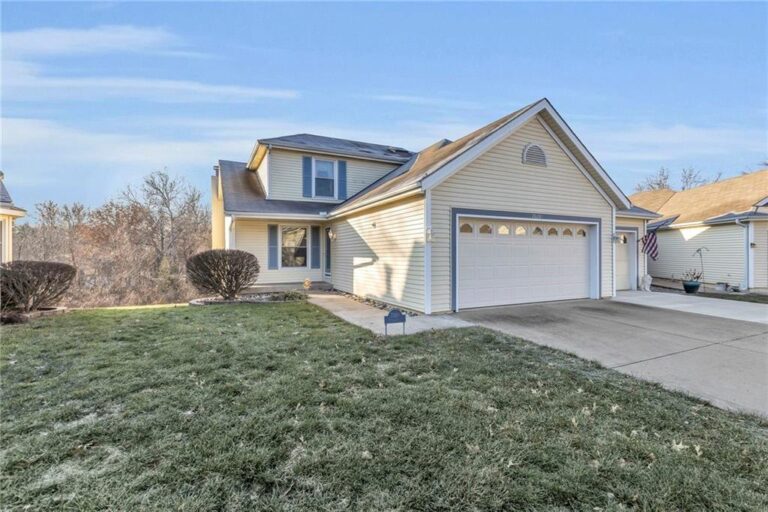
How We Sold a Meadowlane Townhome in Gladstone, MO — Over Asking in One Day, With No Renovation
Her Care Had a Start Date. The House Had to Pay for It.
When a parent moves into memory care, the house stops being a house. It becomes the funding source for someone’s care, on someone else’s timeline.
That changes every decision about it. You are not waiting for a better spring market. You are not spending thirty thousand dollars on a kitchen to chase a number. You need a clean, fast sale and the most net proceeds you can get, and you need them in an order that lines up with a care community’s deposit.
That is the corner Larissa and Kevin were standing in with their mother’s townhome in Gladstone.
The Full Story
Their mother had lived in the Meadowlane townhome for years. When she needed the level of support that assisted living and memory care provide, making that move possible meant selling her home — and the proceeds from the sale were a direct part of paying for her ongoing care.
Larissa and Kevin were doing two hard things at once. They were making a decision about their mother, and they were making decisions about a building. Those two jobs do not feel the same, and the second one is the only one anybody can actually help you with.
Michelle Neely took the listing. Michelle is a Seniors Real Estate Specialist — the designation for agents who work with clients over 50 and with the families managing exactly this kind of transition. It is not a marketing badge. It is the difference between an agent who sees a two-bedroom townhome and an agent who sees a deposit deadline at a care community.
And there was a complication. A comparable townhome was on the market at the same time, competing for the same buyers. In a subdivision where the units are similar by design, that is the situation where a wrong price gets punished immediately — the other unit becomes the comparison shoppers use against you.
“Families in this spot get told to renovate first. That advice spends the money they need for the care and the weeks they don’t have.”
The Strategy
Three things had to happen, in this order. The order is the part most families get wrong.
First, confirm who actually has the authority to sell. A home can only be sold by its owner or by someone with the legal authority to act for that owner — usually a durable power of attorney signed while the parent still had capacity, or a court-appointed conservatorship if one was never signed. Whether a given document is broad enough to convey real estate is a question for an elder law attorney, not a real estate agent. It is also the step that quietly kills closings when it gets skipped. Answer it before you spend a dollar on anything else.
Second, work the timing against the care community, not against the market. Care communities want a deposit and proof the monthly payment is covered. Sale proceeds arrive after the move usually has to happen. Knowing that gap early is what tells you whether you need speed, a bridge, or both — and speed was the answer here.
Third, decide what you are and are not going to do to the house. This is where the money and the delay live, and it is where Michelle’s advice ran against the standard script.
The standard script says update the kitchen, replace the flooring, repaint, then list. For this family that advice was actively harmful. It would have spent the money earmarked for their mother’s care and cost weeks they did not have.
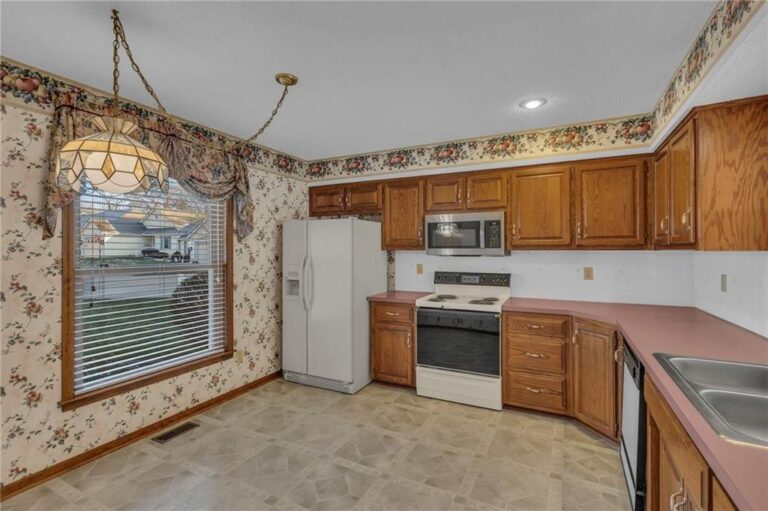
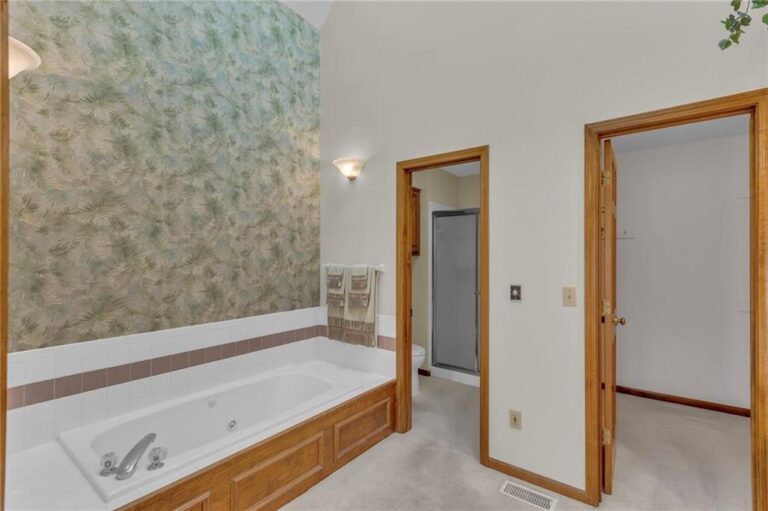
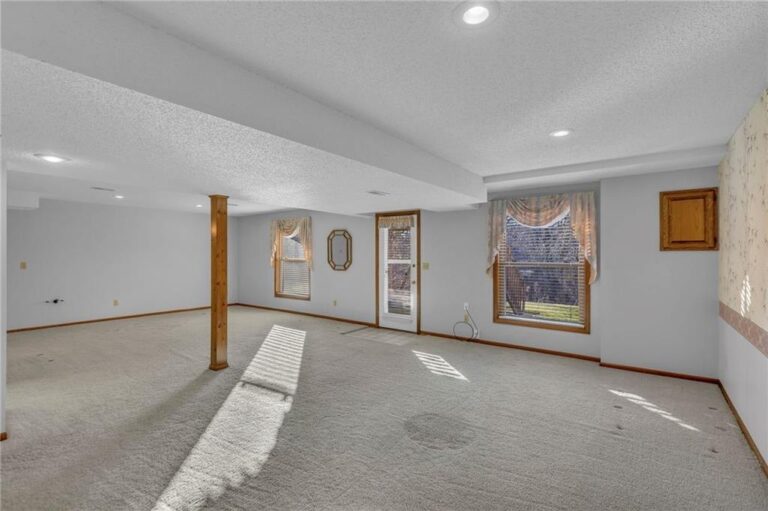
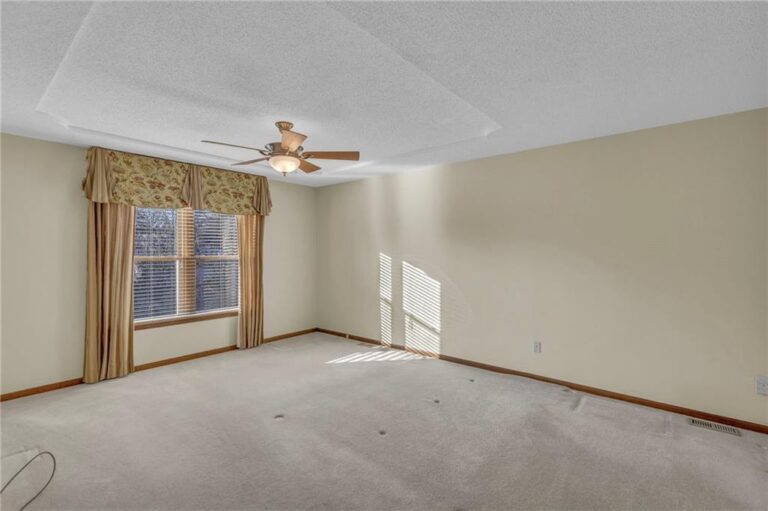
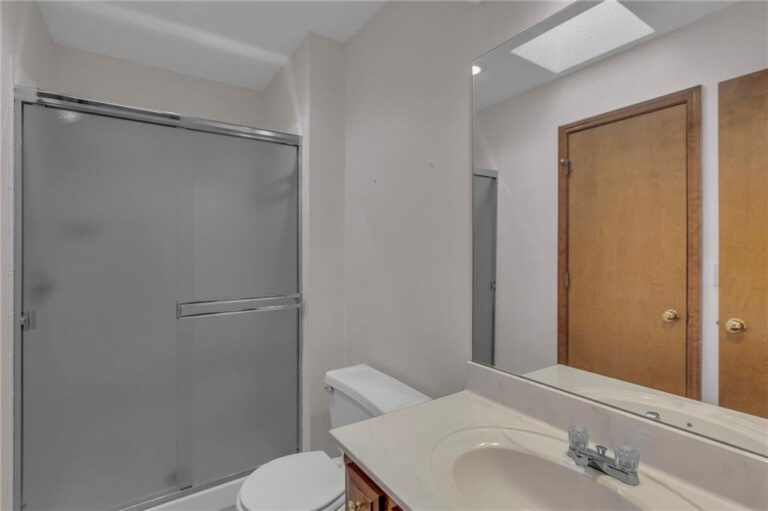
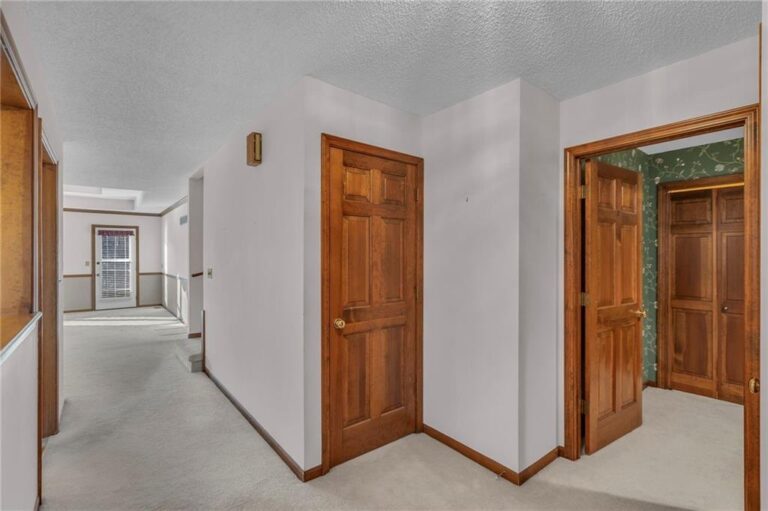
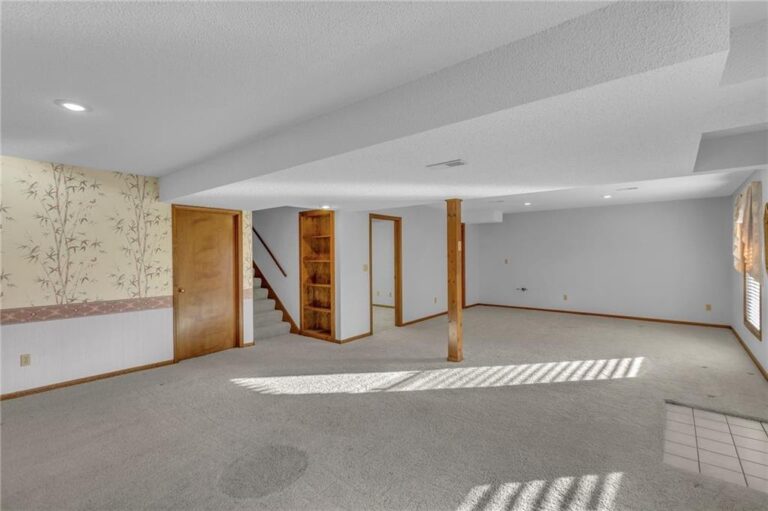
So the townhome went to market exactly as it was. Original 1991 oak cabinetry. Laminate countertops. Wallpaper borders in the kitchen. The carpet that was already down. Nothing renovated, nothing flipped.
What did happen instead was unglamorous: Michelle walked the family through cleaning and preparing the home so it would actually show well, had it photographed and filmed professionally, and priced it deliberately against the competing unit rather than hopefully above it.
The Success
Live December 26. Under contract January 10. One day on market.
One offer came in, above asking. The townhome closed February 11, 2025 over asking — on a conventional loan with no seller-paid concessions. The competing unit did not get the buyer.
It is worth being precise about what that over-asking result is and is not. It is not a bidding war and it is not a trophy. It is what deliberate pricing and honest preparation returned on a house nobody spent a renovation budget on. And it went where the rest of the proceeds went — toward their mother’s care.
“They didn’t need a renovation. They needed the house presented honestly and priced right, and they needed it done fast. That’s what actually paid for her care.”
About This Property
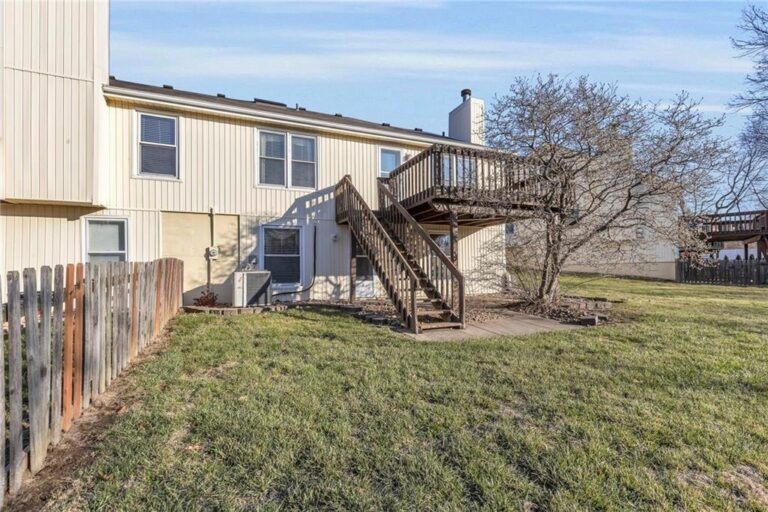
The home is a two-story townhome in the Meadowlane subdivision of Gladstone, built in 1991 and lived in by one owner. Two bedroom suites, two full and two half bathrooms, and about 2,408 finished square feet split evenly between the main level and a full walkout lower level.
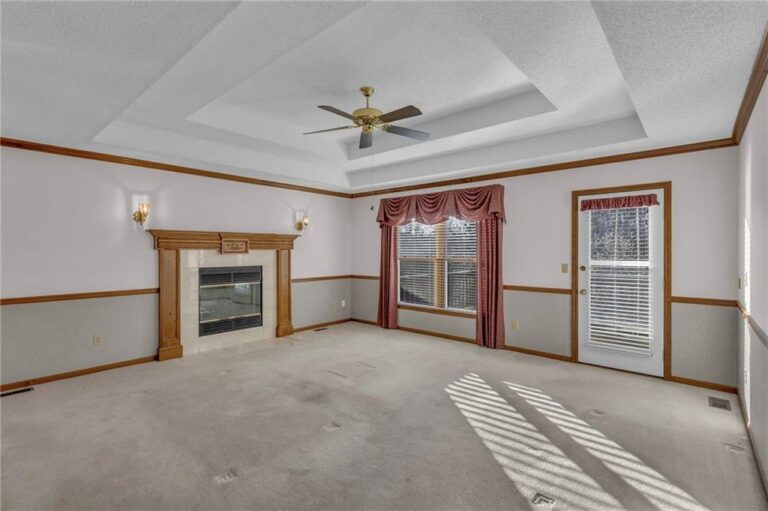
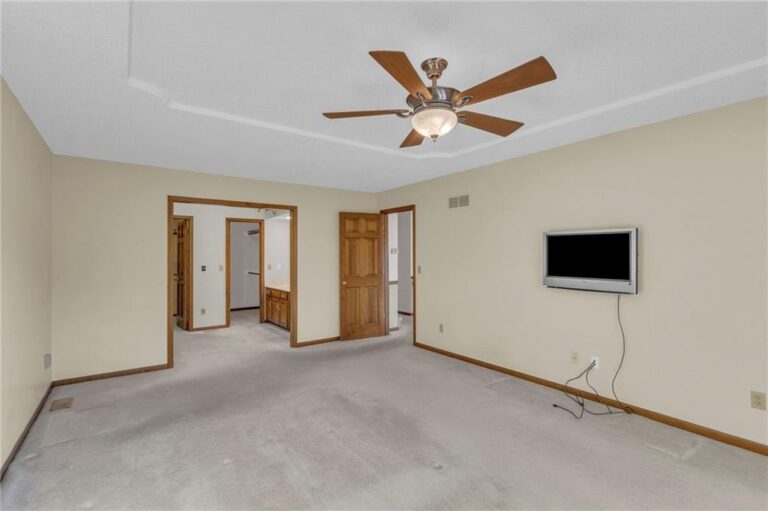
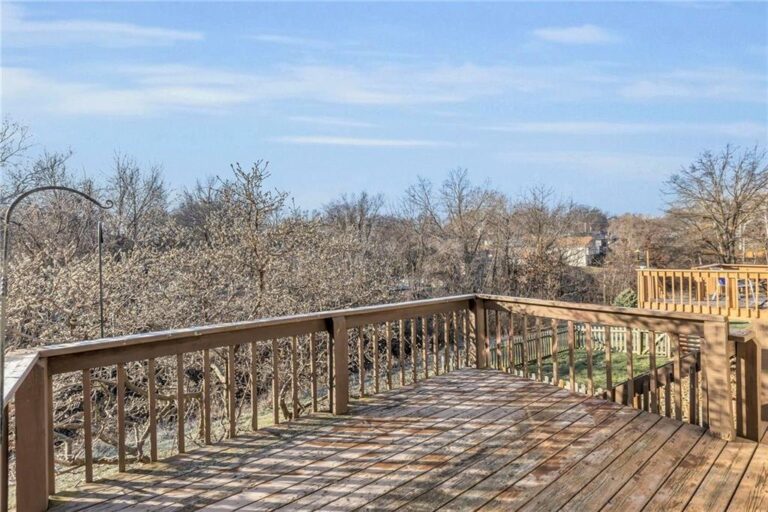
The main floor carries a living room with a gas fireplace and a tray ceiling, a door out to an elevated deck, and a primary bedroom with its own bath and walk-in closet — so daily living can happen without stairs. Downstairs the walkout level is fully finished with daylight windows and its own door to the yard. Two-car attached garage. The deck looks into mature trees rather than another rooftop.
The homeowners association covered lawn care, snow removal and trash — the maintenance-provided arrangement that makes a townhome like this one different from a detached house on the same street, and the reason this kind of property suits an owner who no longer wants a yard to manage.
Full sale detail is on the sold listing page for 7020 N Garfield Avenue.
Living in Gladstone, Missouri
Gladstone sits in the Northland just north of the Missouri River, inside the North Kansas City School District, with Meadowbrook Elementary, Antioch Middle and Oak Park High serving this address. More on the area in our Living in Gladstone lifestyle guide, and more on the market in what we have closed in Gladstone.
Frequently Asked Questions
Can adult children sell a parent’s home if the parent has dementia?
Not on their own authority, and not simply because they are the children. Someone must hold the legal authority to sign on the owner’s behalf — usually a durable power of attorney executed while the parent still had capacity, or a conservatorship granted by a court if one was never signed. Whether a particular document is sufficient to convey real estate is a legal question with real consequences if it is answered wrong. Talk to an elder law attorney before listing. We work alongside them regularly, but we are not one and neither is any other real estate agent.
How do you sell a parent’s home to pay for memory care?
Confirm the legal authority to sell, map the sale timeline against when the care community needs money, then prepare, price and market the home for a clean, fast sale rather than a maximum-effort renovation. In Larissa and Kevin’s case in Gladstone, that sequence produced a contract in one day, over asking.
Should you renovate a parent’s home before selling it to fund care?
Usually no. Renovation spends the money you need for the care and the weeks you do not have, and it rarely returns enough to justify either. This townhome sold over asking in original 1991 condition. Cleaning, professional photography and deliberate pricing are the higher-return investments.
How fast can you sell a parent’s house if you need the money for care?
Faster than most families expect, if it is priced right. This one went under contract in one day on market with a comparable unit competing for the same buyers. Speed comes from price and presentation, not from discounting.
Do you have to sell Mom’s house to pay for assisted living?
Not always — but for many families the home is the largest asset and the most realistic source of both the deposit and the monthly payment. The alternatives are worth understanding before you assume a sale, and worth discussing with an elder law attorney or a financial advisor.
What happens to a parent’s house when they move into memory care?
It gets sold, rented, or held. Each carries different cost, tax and Medicaid implications, so it is worth a conversation with a professional before defaulting to any of them. Families who need the proceeds to pay for the care itself generally sell.
What did the Gladstone townhome sell for?
Over asking, closing February 11, 2025, after one day on market with a single offer, financed conventionally with no seller-paid concessions.
Who represented the sellers?
Michelle Neely of Nelson Home Group at Keller Williams KC North, a Seniors Real Estate Specialist. The buyer was represented by Howard Fox of KW Kansas City Metro.
Selling a parent’s home to fund assisted living or memory care is work we do, and work Michelle does specifically. You can reach the team here, read more seller success stories, or start with selling the home where you raised your family.
Also from Michelle Neely: a six-bedroom home in St. Joseph that two previous listings with another brokerage failed to sell. She relisted it and it sold on the third listing — read that story.
Another Michelle Neely close for clients planning for what comes next: how a couple found a zero-entry villa in Leawood Falls, Leawood, KS after a year of looking and a farm sale that set the deadline, closing with cash in 33 days.
The Result
Over Asking in 1 Day
Over asking · 1 day on market · closed February 11, 2025
Sold in original 1991 condition — no renovation, no flip, no staging budget. One offer, above list, conventional financing, zero seller-paid concessions.

Seniors Real Estate Specialist
Nelson Home Group
How Fast It Actually Moved
- Listed December 26, 2024
- Under contract January 10, 2025
- Closed February 11, 2025
One day on market, with a comparable townhome competing for the same buyers at the same time.
What They Did Not Spend
No kitchen update. No new flooring. No repaint. The oak cabinetry, laminate counters, wallpaper borders and carpet in these photos are what buyers walked through — and it still closed over asking.
For a family funding care, a renovation costs the money and the weeks they need most.
Selling a parent’s home?
Michelle Neely is a Seniors Real Estate Specialist (SRES) — the designation for agents who guide clients over 50 and the families managing a move into retirement living, assisted living or memory care.
Before You List a Parent’s Home
1. Confirm the authority to sign. A durable power of attorney signed while your parent still had capacity, or a court-appointed conservatorship. An elder law attorney confirms whether it is broad enough to convey real estate.
2. Get the care community’s numbers in writing. Deposit, monthly rate, and the date they need each. That is your real deadline, not the market’s.
3. Separate what must be done from what is optional. Clean, empty and photograph well are close to mandatory. A renovation almost never is.
4. Ask what the net looks like, not the price. Concessions, commissions and carrying costs all come off the number that actually funds the care.