

The First Contract Died. The House Still Closed in 20 Days.
How We Sold a 1923 Bungalow in Epperson Place, Kansas City, for cash after a wholesaler could not close

A Wholesaler Tied It Up, Could Not Close, and the House Still Sold in 20 Days
Sean buys houses for a living. His company picked up a 1923 bungalow in Kansas City’s Epperson Place neighborhood as an investment. When he was ready to sell it, he called Shy Sorden at Nelson Home Group, Keller Williams KC North. It was the third deal the two of them had closed together.
It was on the market three days later, under contract on day four, and then the first contract fell apart. It closed anyway, in cash, on August 20, 2026 — 20 days after it was listed.
Here is what happened in between, including the part of a wholesale offer that most sellers do not understand until it costs them a month.
The Full Story
Sean does not hold property for sentiment. He buys, he decides what a house is worth to somebody else, and he moves it. The bungalow was an investment that had done its job, and when he picked up the phone he was not looking for a marketing plan. He was looking for speed.
Shy Sorden had it listed three days after that call. That number is not a slogan — it is photography, disclosures, pricing and MLS entry compressed into seventy-two hours, on a house that needed a real description rather than a generous one.
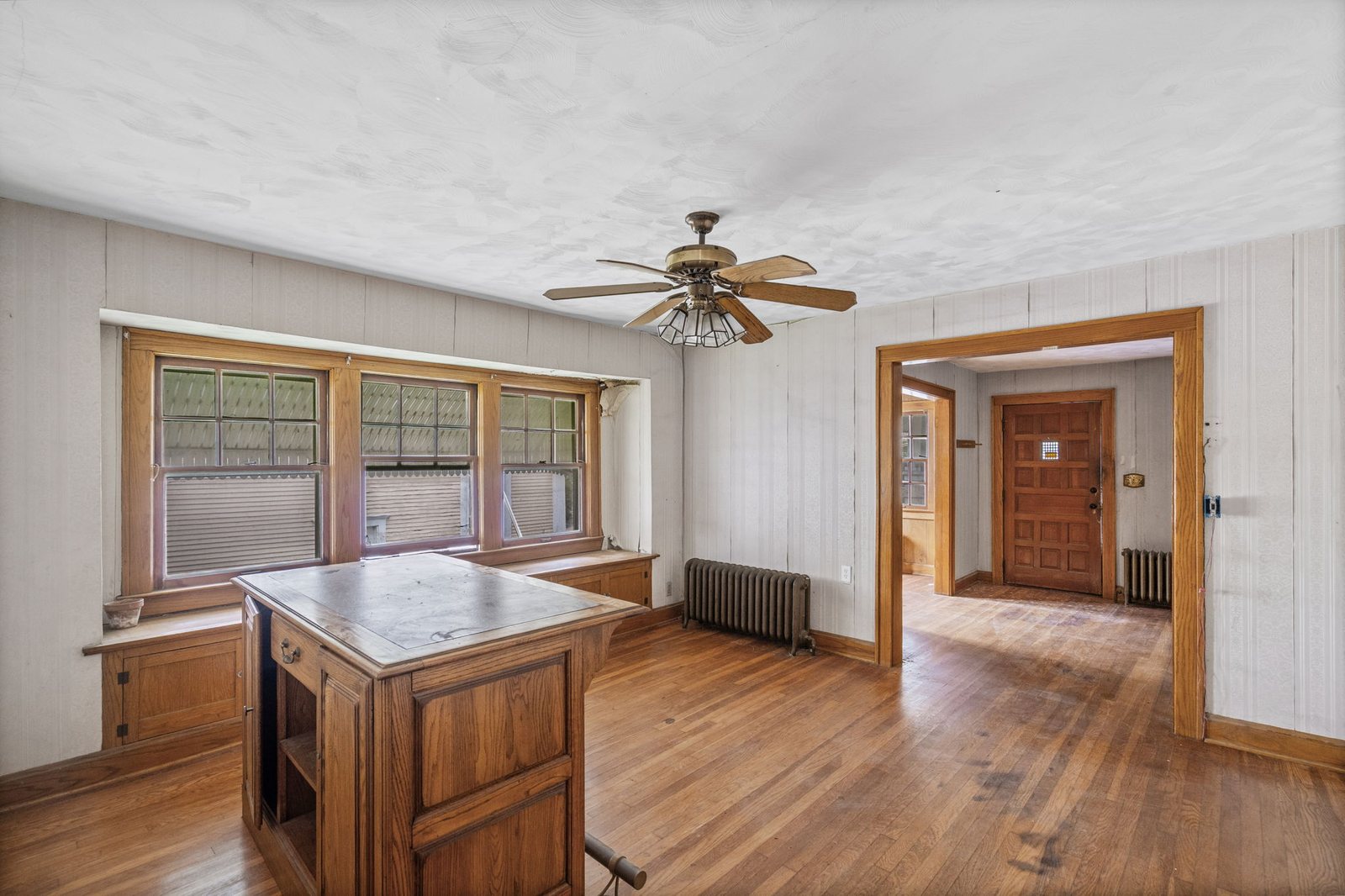
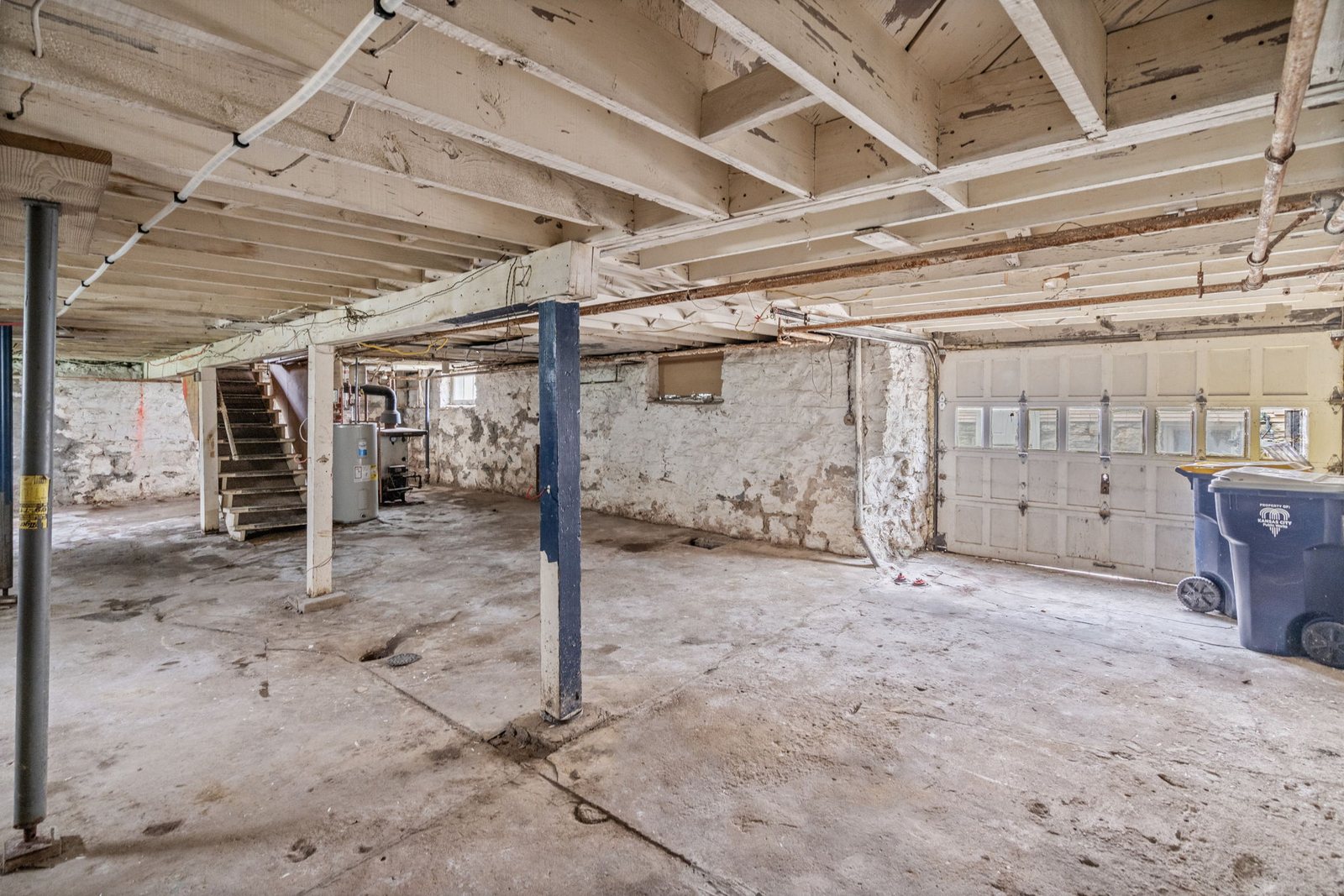
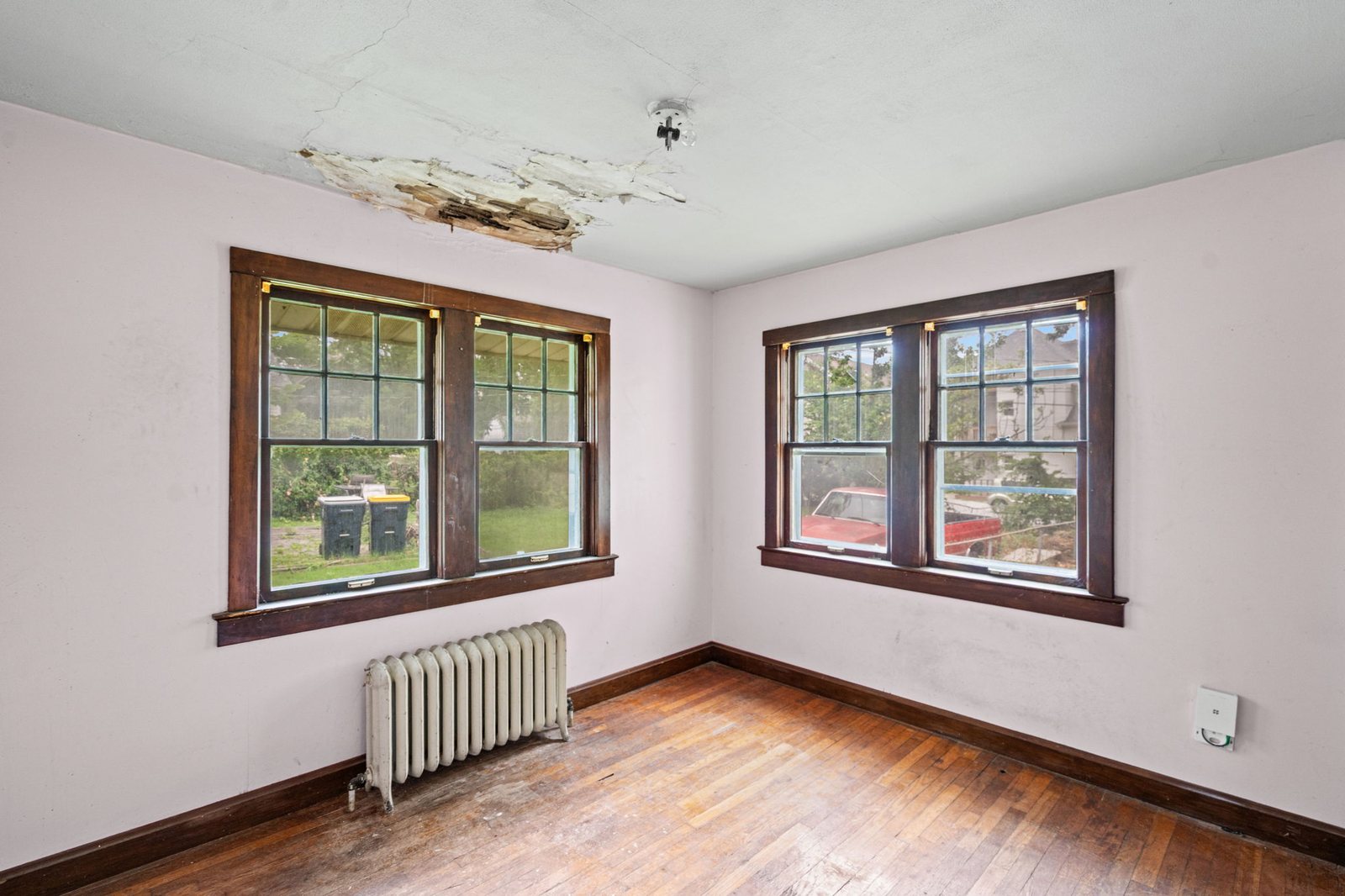
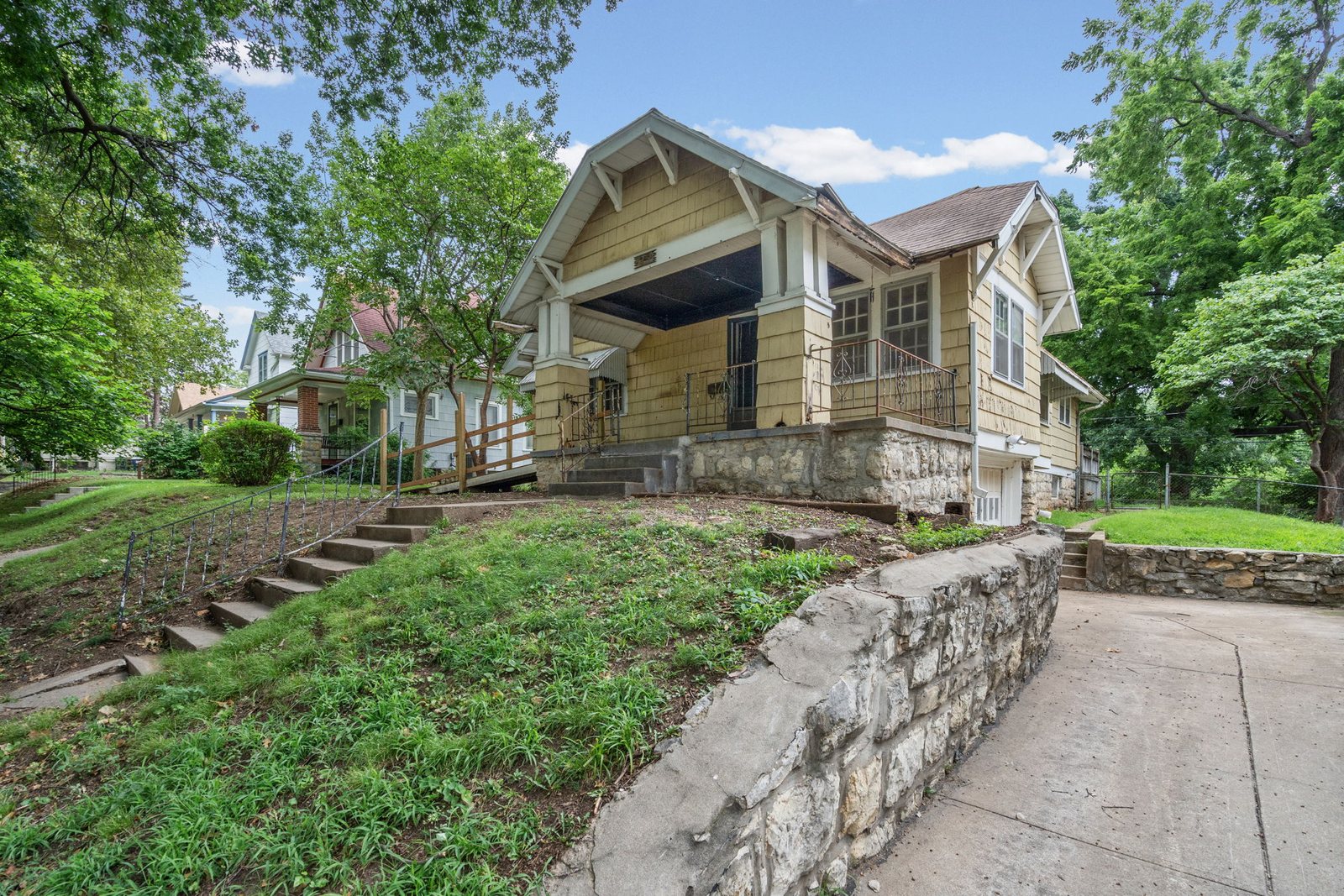
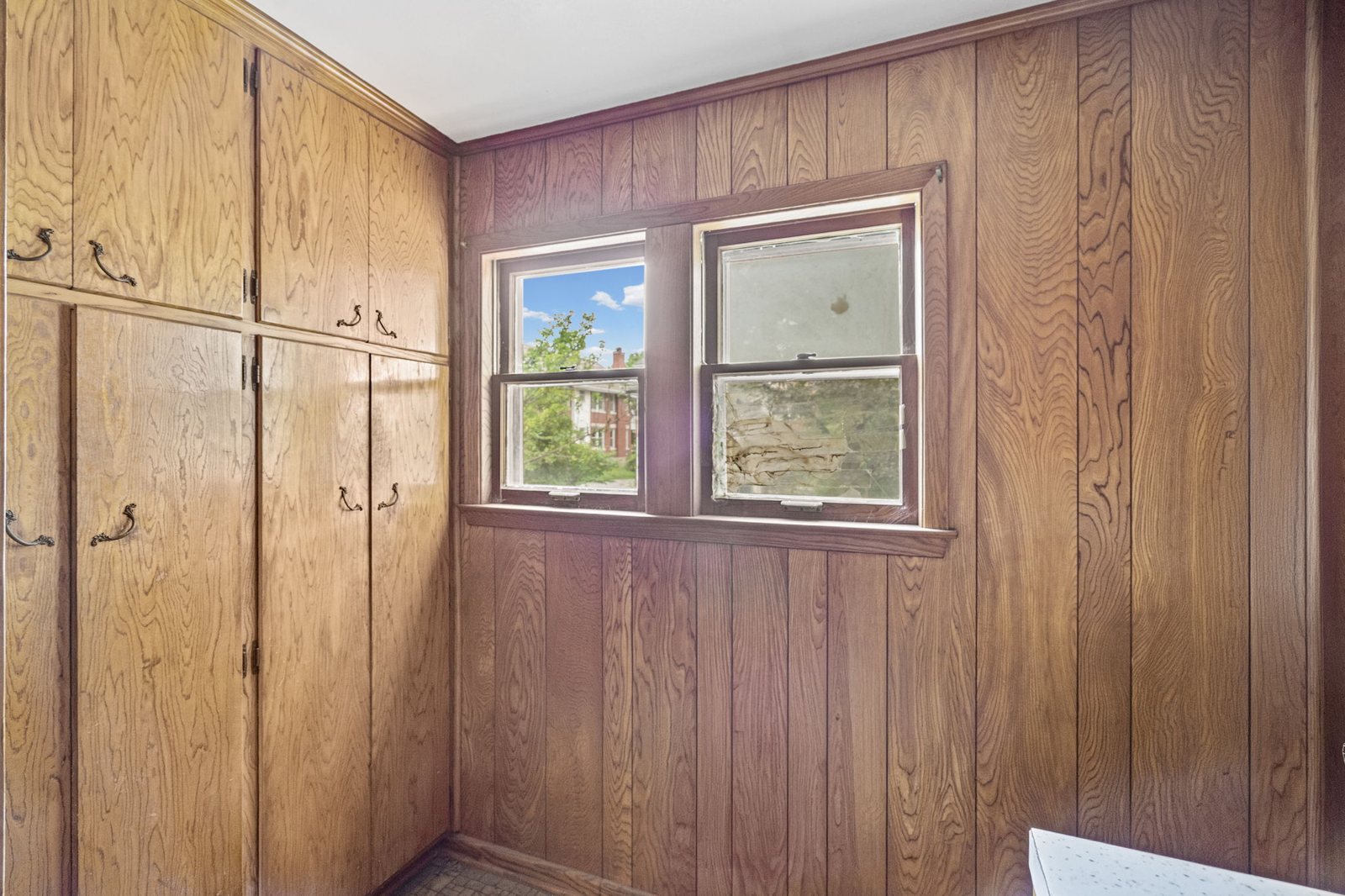
And it needed one. This was an investor special and it was marketed as exactly that. The bones were genuinely good: original hardwood running through most of the house, original woodwork, built-in shelving flanking the living room fireplace, a built-in bench in the formal dining room, and a private drive down the side of the lot to a tuck-under garage — which on that block is close to a luxury. The rest of it was work. Plaster ceilings had failed in several rooms. The upstairs half bath was stripped to the studs in places. Heat was steam through the original radiators, the basement was rubble stone and dirt-floor rough, and there was carpet laid over the kitchen floor.
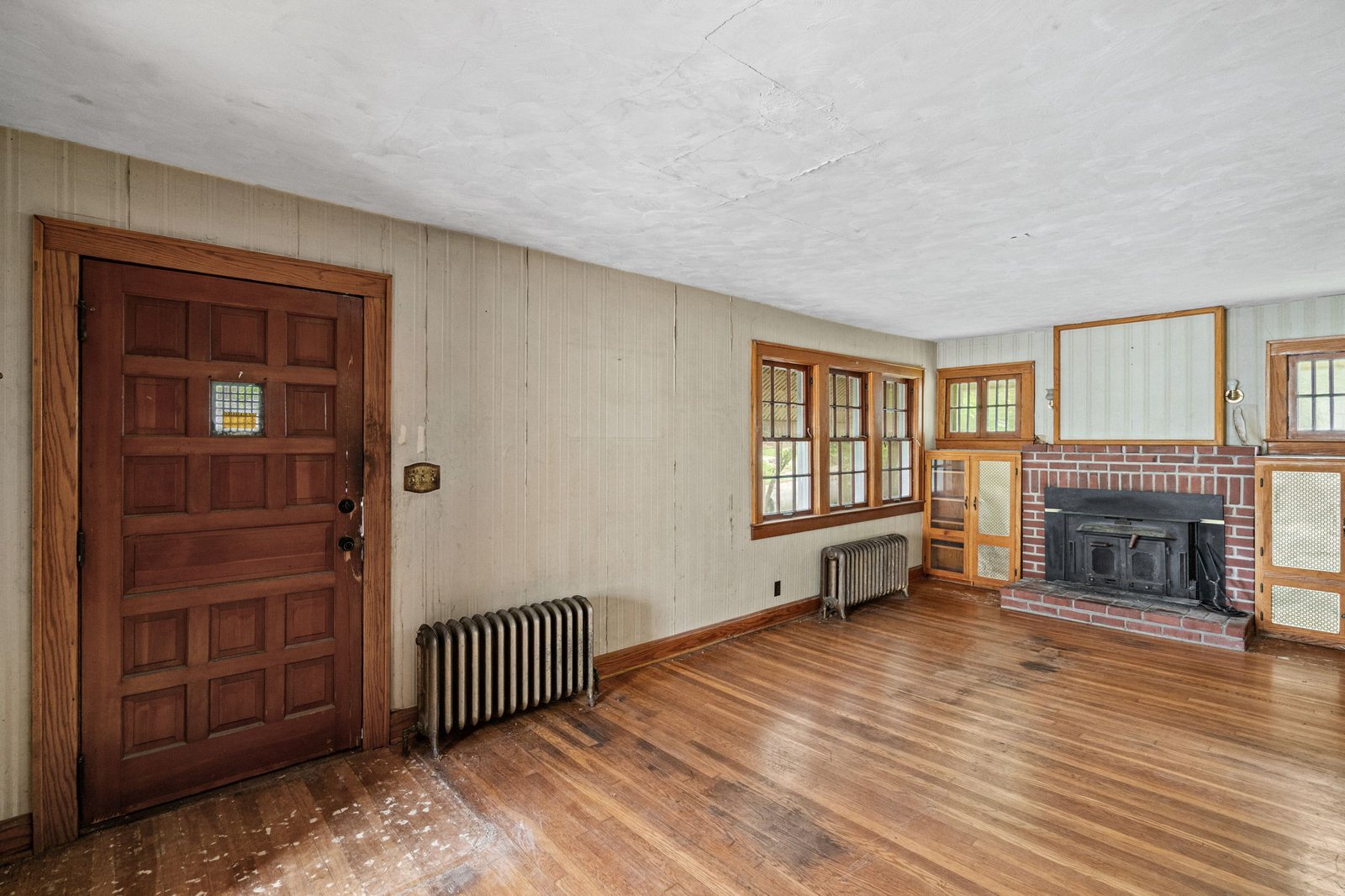
It was listed on July 31, 2026. Four days later it was under contract.
The buyer was a wholesaler. This is the part worth slowing down on, because a wholesale offer does not do what a normal offer does.
A wholesaler is not buying your house. They sign a purchase contract and then spend the inspection period trying to find an investor to assign that contract to — someone who will actually show up with money at closing. The contract is real. The buyer behind it is hypothetical. This one had a seven-day window to produce that person.
They could not. The contract terminated.
“A wholesaler’s contract is not a sale. It is a short option to go find somebody else — and if they cannot, you are back on the market with a story to explain.”
That is the moment a lot of investor listings quietly stall. The house goes back on, and now every buyer’s agent who pulls it asks the same question out loud: what happened with the first contract? On a property that already needs work, that question is expensive.
The Strategy
We did not relist it and start the clock over.
The first four days had already done something valuable: they produced real interest from real buyers who had walked the house with their eyes open. Instead of re-entering the property as a fresh listing and asking the market to discover it a second time, the team went straight back to that group.
The second buyer was a licensed agent purchasing the home for herself. That detail matters more than it sounds. She did not need a contractor to price the plaster work or a lender to bless a 1923 boiler. She had already done that arithmetic. She came in with cash, no contingencies, and earnest money deposited early — the three things that make a second contract feel nothing like the first one.
All of this ran while Sorden was in the middle of relocating her own business from Lake of the Ozarks to Kansas City. Listed, lost, re-contracted and closed — inside the same month she moved.
“The seller did not lose that gap. He traded it for a buyer with no lender, no appraisal and no way out — and had his money sixteen days later.”
The Success
The house closed on August 20, 2026 — cash, no contingencies, no seller concessions, and not one repair made.
It sold under the asking price, and we are not going to dress that up. On an investor special the list price is a question you ask the market, and the market answered in four days. What Sean traded that difference for was certainty: no lender, no appraisal, no repair negotiation, no financing contingency, and a buyer who understood exactly what she was taking on before she wrote the offer. That price was never reduced — the number came down at the negotiating table, once, and then held.
He reports clearing a profit on the deal without doing a dollar of renovation work himself. It was the third closing between Sean and Shy Sorden. He says there will be a fourth.
In Their Words
Sean’s public review of Shy Sorden predates this sale. He wrote it after she sold two of his properties at Lake of the Ozarks, and because Google allows one review per account, it stands as the record of the relationship rather than of this particular closing. We are including it as what it is.
“Shy was a great help with selling 2 of our properties at Lake of the Ozarks! Went above and beyond even helping us with cleaning branches and debris out of the cove!”
About This Property
The home is a three-bedroom, one-and-a-half-bath home of 1,515 square feet above grade, built in 1923 on a .15-acre lot in Epperson Place. It sold for cash on August 20, 2026.
See the full listing page for 4219 Terrace Street, Kansas City, MO →
Epperson Place and Midtown Kansas City
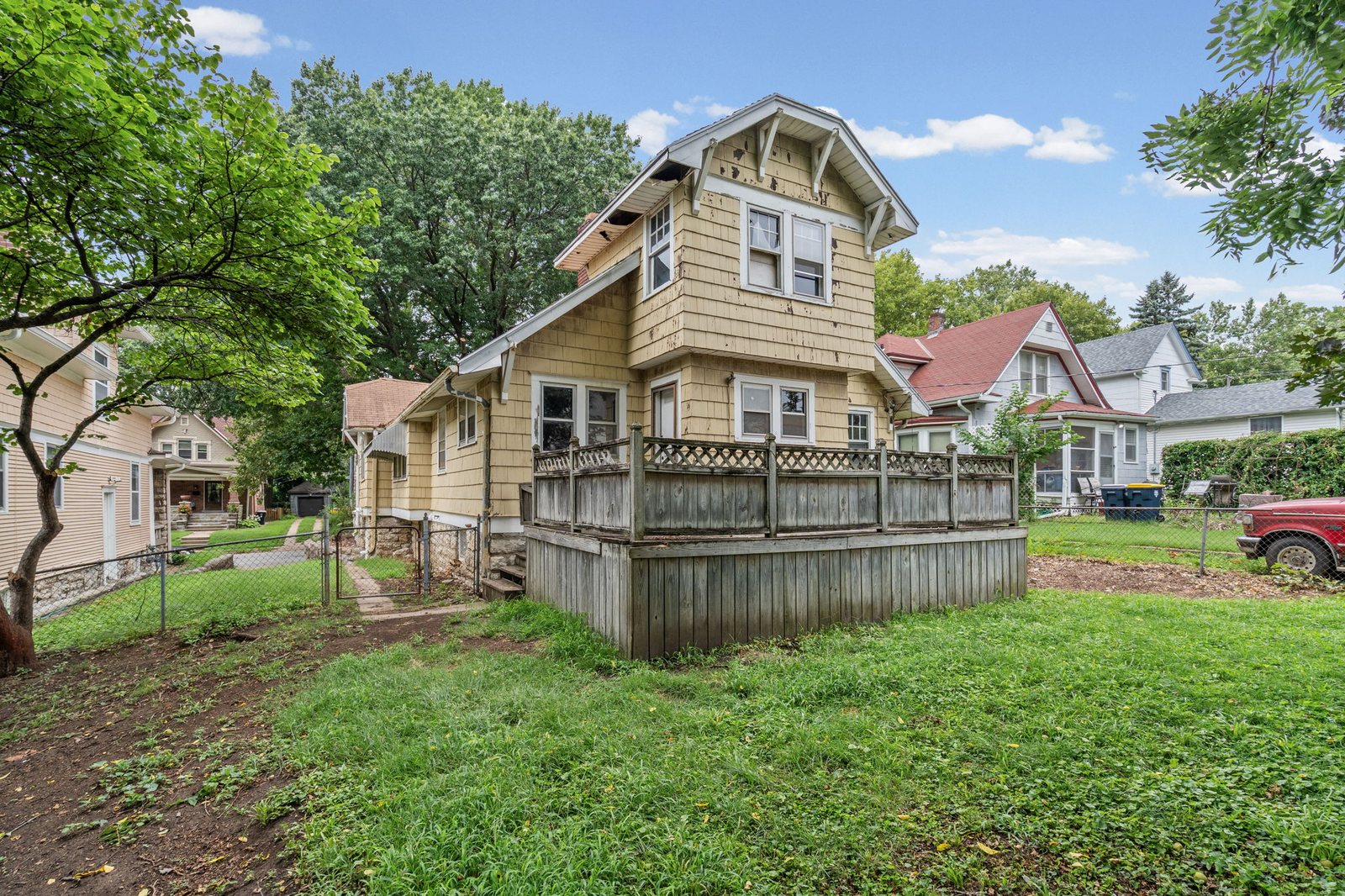
Epperson Place is a small platted subdivision in the 64111 zip code, in the Kansas City area south of the river and inside Jackson County. It is served by the Kansas City, Missouri school district — Primitivo Garcia Elementary, Central Middle and Central High.
The housing stock here is early-1900s and it behaves like it. Steam heat, plaster walls, stone foundations, deep original woodwork and almost no off-street parking. That last point is what made this particular house stand out: a private concrete drive running down the side of the lot to a garage tucked under the main floor. On a street where everyone else parks at the curb, that is a genuine differentiator, and it is the kind of thing that separates two otherwise identical bungalows by real money.
It is also a pocket where condition varies enormously house to house, which is why as-is sales here are common and why the buyer pool skews toward people who can price the work themselves.
Another Kansas City investment property from our team: a tenant-occupied rental that went under contract in 2 days with the lease left in place →
Frequently Asked Questions
What happens if my wholesale buyer can’t close?
The contract terminates and the house comes back on the market — usually with the inspection period burned and the momentum gone. The fix is not to relist and start over. It is to go straight back to the interest the first round of showings produced. On this Epperson Place bungalow in Kansas City, the wholesaler could not find an end buyer inside a seven-day window, and the home closed to a cash buyer sixteen days after the original contract date.
What is a wholesaler actually buying when they put my house under contract?
Nothing yet. A wholesaler signs a purchase contract and then markets that contract to an investor who will actually close, a process called assignment. Their inspection period is the window in which they look for that person. If they do not find one, they terminate, and in most contracts they leave with their earnest money.
Is it risky to accept a wholesaler’s offer on an investment property?
It carries a specific risk an ordinary offer does not: the person signing has no obligation to complete the purchase and may have no capital to do it with. That does not automatically make it a bad offer — it makes it an offer you price the risk into. Ask who the end buyer is, ask for a shorter inspection period, and ask for earnest money large enough that walking away costs them something.
How fast can I get an investment property listed in Kansas City?
This Epperson Place bungalow was on the market three days after the seller’s first phone call and under contract on day four. Speed is a function of how quickly photography, disclosures and pricing get done, not of the market.
Can I sell a fix-and-flip without doing the renovation myself?
Yes. This Epperson Place bungalow was marketed as an investor special with the work still in front of the next owner. It sold for cash with no repair requests, no repair credits and no concessions. The seller reported clearing a profit and never hired a contractor.
Why did the house sell under asking?
Because that is what cash with no contingencies was worth on a property that needed work. The list price tested the top of the range and the market answered in four days. The seller kept every dollar of the sale price — there were no concessions, no repairs and no credits, which is not true of most sales that appear to close closer to asking.
How do you price a house that needs work?
You price the house the buyer will own after they have spent the money, then subtract the money — and then subtract again for the risk that the number is wrong. On a 1923 home with original hardwood, an unfinished stone basement and steam heat, the character carries real value and the mechanical systems usually carry less than the seller expects.
Where is Epperson Place in Kansas City?
Epperson Place is a small subdivision in the Kansas City area south of the river, in Jackson County, Missouri, within the 64111 zip code and the Kansas City, Missouri school district.
A contract that falls apart is not a verdict on your house. It is information about the buyer who signed it — and if the listing was marketed honestly the first time, the next buyer is usually already standing in the room.
More seller stories from our team: what happens if your home purchase contract falls through, when your sale falls apart after inspection, and selling a house that needs work.
Nelson Home Group works with investors and traditional sellers across Kansas City and the Northland. Learn more about working with a real estate agent in Kansas City, or see how we sell homes in Kansas City.
Joe Nelson · Nelson Home Group · 1508 NW Vivion Rd #205, Kansas City, MO 64118 · 816-680-6624 · Brokerage: Keller Williams KC North, 816-452-4200.
The Result
Closed 20 Days After Listing
Cash · 4 days on market · closed August 20, 2026
The first contract was a wholesaler who could not find an end buyer inside a seven-day inspection window. The second buyer paid cash with no contingencies. no seller concessions and no repairs.


What a Wholesale Contract Actually Is
- The wholesaler is not the end buyer
- They market your contract to investors
- The inspection period is their search window
- No end buyer found means no sale
- They usually walk with their earnest money
The contract is real. The buyer behind it is not, until they find one.
How Fast It Actually Moved
- July 31, 2026 — listed
- August 4, 2026 — under contract, day four
- Wholesaler’s seven-day window expires, contract terminates
- August 20, 2026 — closed, cash
Twenty days from listing to closing table, with a failed contract inside it.
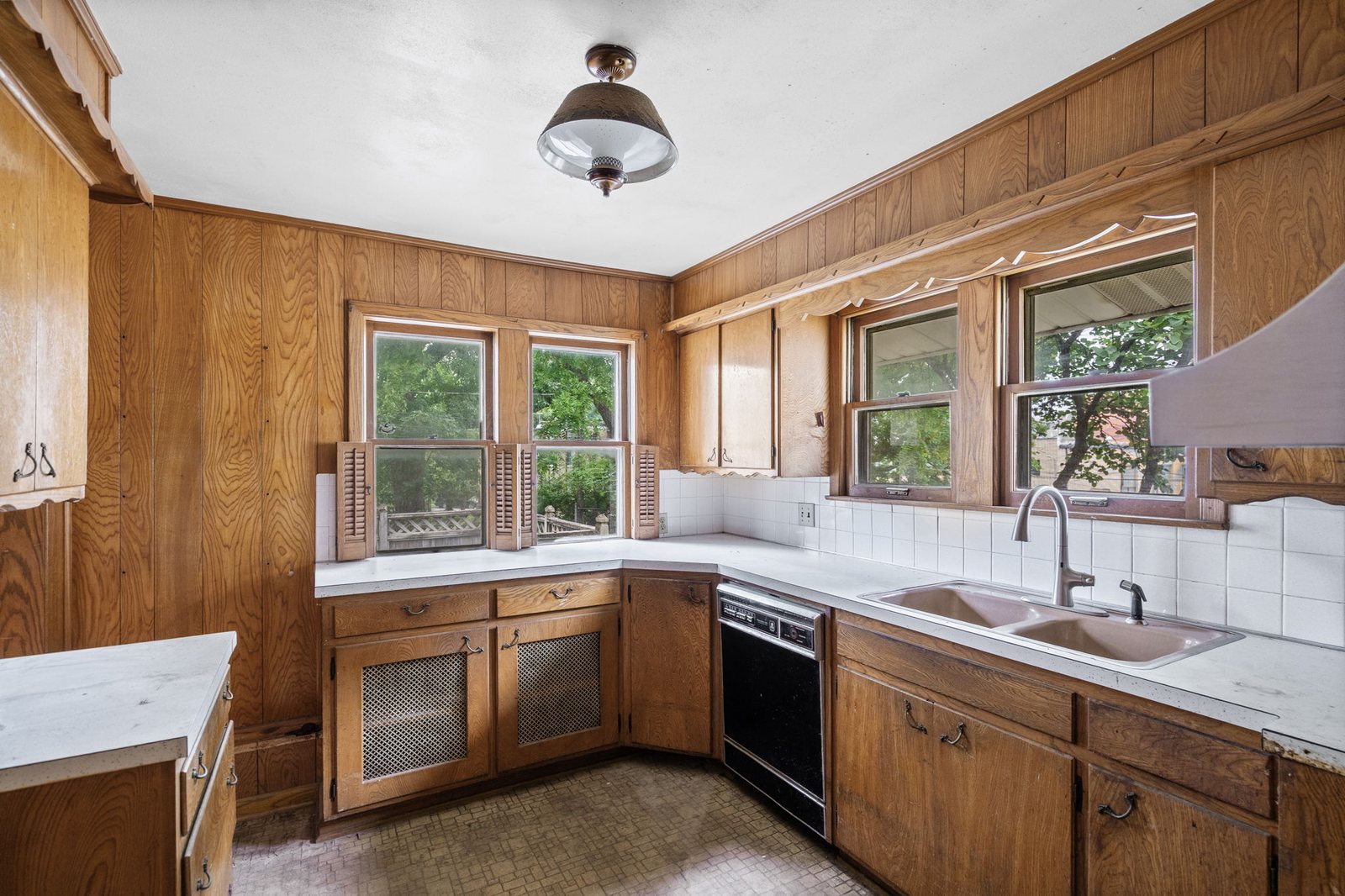
The Numbers on This Bungalow
- 3 bedrooms, 1 full bath, 1 half bath
- 1,515 sq ft above grade
- .15 acres · built 1923
- Tuck-under garage off a private side drive
- Steam heat · unfinished stone basement
- Jackson County · Kansas City MO schools
Sold under a list price that was never reduced.
Questions to Ask a Wholesale Buyer
- Who is the end buyer, by name?
- How long is the inspection period?
- How much earnest money, and when does it go hard?
- Is the contract assignable, and to whom?
- What happens if you cannot assign it?
If nobody can answer the first question, you are the one taking the risk.
Selling an Investment Property As-Is
- Price the finished house, then subtract the work
- Then subtract again for the buyer’s risk
- Disclose condition plainly — it filters the buyer pool for you
- Cash buyers pay less and close harder
- No repairs and no credits means the sale price is the sale price
A lower number with nothing taken back out of it often nets more than a higher one.
Why Investor Specials Sell Under Ask
- The buyer is pricing work you have not priced
- They add a margin for what the walls are hiding
- No lender means no appraisal to argue with
- Fewer buyers can actually close on it
- Speed and certainty cost something
A list price on a fixer is a question. The first serious offer is the answer.
What Cash With No Contingencies Removes
- No loan approval to wait on
- No appraisal that can come in low
- No inspection repair negotiation
- No financing contingency to exit through
- No lender-required repairs before closing
Every one of those is a place a deal can die between contract and closing.
If Your Contract Just Fell Through
- Find out why it died — buyer, price or condition
- Go back to the second-place interest first
- Check what your days on market now read
- Do not reflexively cut the price
- Do not relist as if nothing happened
A dead contract is information. Most sellers throw it away and start over.
About Shy Sorden
Shy Sorden is a Realtor with Nelson Home Group at Keller Williams KC North. She works with investors and traditional sellers across the Kansas City metro, the Northland and northwest Missouri, and relocated her business from Lake of the Ozarks to Kansas City in 2026. Read Shy’s full bio →
More Kansas City Seller Stories
Contract Fell Through?
A terminated contract does not have to cost you a month. Nelson Home Group of Keller Williams KC North will tell you whether the problem was the buyer, the price or the marketing. Talk to our team →